
- Home/
- Buy Ivermectin at Low Price in Australia
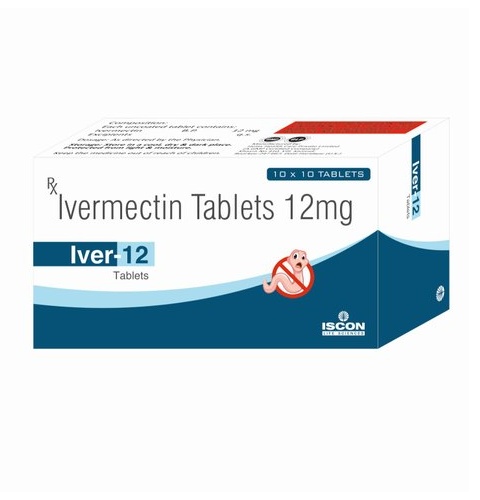
The Moment Ivermectin Is Chosen: Not Every Case, Not Every Doctor
It’s Tuesday morning in a suburban GP clinic in Sydney. The waiting room is busy, parents holding children with itchy rashes, an older man with fatigue and vague stomach complaints. When the doctor finally sees you, there’s a pause after your story—travel, close contacts, persistent symptoms. The conversation turns: “We should consider Ivermectin.”
Ivermectin isn’t always the first word out of the doctor’s mouth. For head lice, permethrin cream usually comes first. For classic scabies, topical treatments are standard. But there’s an unmistakable shift—for crusted scabies outbreaks in aged care, for strongyloidiasis in people from certain regions, for persistent infestations unresponsive to creams—when oral Ivermectin moves from “maybe someday” to “now.”
Timing is as much a clinical judgment as a guideline. The GP weighs the evidence, the patient’s story, the risk of side effects, even the cost. In Australia, Ivermectin is tightly regulated. That’s not about red tape—it’s about safety and stewardship. For the right patient, at the right moment, it changes lives.
How Ivermectin Actually Works—And Why That Matters for You
Ivermectin isn’t a general poison, nor does it just “kill bugs.” Its genius lies in targeting nerve and muscle cells within certain parasites—paralysing them, then stopping their ability to feed and reproduce. For patients, this means symptoms don’t just fade; the cause is extinguished.
Most side effects—headache, dizziness, mild nausea—happen because Ivermectin also affects some human nerve receptors, but at much higher doses than needed for parasites. This “selective toxicity” is the reason it’s possible to safely treat parasites without harming the patient, as long as dosing is precise.
For scabies, a single dose can halt the itch within days, but it takes time for dead mites and eggs to clear from the skin. For strongyloidiasis—a worm that can lurk unnoticed for years—systemic activity means a short course of Ivermectin can prevent long-term complications. It’s a medicine with a narrow target but a broad impact.
Ivermectin Compared: When Does It Outperform Other Antiparasitics?
| Attribute | Ivermectin | Permethrin | Benzyl Benzoate |
|---|---|---|---|
| Common Uses in Australia | Scabies (inc. crusted), strongyloidiasis | Head lice, scabies | Scabies, head lice |
| Mechanism | Paralysis of parasite nerve/muscle | Neurotoxic to parasite; topical | Neurotoxic to parasite; topical |
| How It’s Given | Oral tablet | Cream/lotion applied to skin | Lotion applied to skin |
| Onset of Action | Within days (systemic) | 12-24 hours (local) | 12-24 hours (local) |
| Effectiveness | High for systemic, crusted, or persistent scabies; essential for strongyloidiasis | High for classic scabies and lice; less effective for crusted scabies | Variable; more irritation |
| Common Adverse Effects | Headache, dizziness, mild GI upset | Skin irritation, burning, itch | Stinging, irritation, burning |
| Serious Risks | Rare neurotoxicity (dose-dependent); more concern in neurological disease | Allergy (rare), systemic absorption minimal | Allergy, skin burns (rare) |
| Contraindications | Children under 5 years or under 15kg, pregnancy (unless benefit outweighs risk) | Open wounds, allergy | Severe skin disease, allergy |
| Prescription Status (Australia) | Prescription only (PBS for specific indications) | Pharmacy (OTC) or prescription | Pharmacy (OTC) |
| Cost/Availability | Subsidised for PBS indications; modest private cost; may be out of stock during outbreaks | Affordable, widely available | Cheap, widely available |
What does this mean for actual patients? Ivermectin is reserved for cases where topical treatments won’t penetrate, for systemic infections, or when creams have failed or are impractical (outbreaks, institutional settings, or extensive skin involvement). For routine head lice or mild scabies, topical options are preferred—fewer system-wide side effects, cheaper, and easily repeated. But in situations where complete eradication is needed, or the infection is deep-seated, Ivermectin’s oral, systemic action makes it the right tool.
What Patients Get Wrong About Ivermectin in Australia
- Can Ivermectin treat all types of parasites?
- Not all. It’s only effective against certain worms and mites. It doesn’t treat tapeworms, pinworms, or most gut parasites common in Australia. Always ask your doctor about the specific infection.
- Is one dose enough to clear scabies?
- For some, yes—but often, a second dose is needed a week later to catch newly hatched mites. Skin irritation can persist even after successful treatment, so don’t panic if symptoms linger for days.
- Can Ivermectin be used in young children or during pregnancy?
- Australian guidelines generally avoid Ivermectin in children under 5 years (or under 15kg) and in pregnant women, unless the benefit clearly outweighs the risk. Your doctor will weigh up your individual situation.
- Is Ivermectin available ‘over-the-counter’?
- No. It is a prescription-only medicine in Australia—this is to ensure it’s used appropriately and to safeguard against resistance and misuse.
- Does Ivermectin prevent reinfection?
- No antiparasitic can guarantee you won’t be reinfected. Preventing recurrence also means treating close contacts and following all hygiene recommendations.
The Real World: How Do You Take Ivermectin Safely?
Taking Ivermectin isn’t just about swallowing a tablet. The details matter—timing, food, repeat dosing, and monitoring for response.
- Empty Stomach, Full Impact: Ivermectin is best absorbed when taken on an empty stomach with water—usually at least one hour before eating. This boosts its effectiveness and reduces unpredictable blood levels.
- Weight-Based Dosing: The standard adult dose is 200 micrograms per kilogram (mcg/kg), rounded to the nearest whole tablet. Children and those with liver problems may need special consideration.
- Repeat Dosing: For scabies, a second dose is often prescribed 7–14 days after the first, to cover the life cycle of the mite. Missing the second dose is a common reason for treatment failure.
- Watch for Reactions: Mild headache, dizziness, or stomach upset can occur. Severe symptoms (see below) are rare but require prompt medical attention.
- Don’t Share: Never use someone else’s Ivermectin. Doses are tailored to the individual, and the wrong dose can cause harm.
Getting the logistics right increases your chances of cure and reduces the risk of needing more aggressive interventions later. Always follow your doctor’s instructions on timing and repeat doses—it’s not just bureaucracy; it’s how this medication works best.
| Condition | Standard Adult Dose | Paediatric Dose | Number of Doses | Notes |
|---|---|---|---|---|
| Scabies (classic) | 200 mcg/kg orally, once | 200 mcg/kg (if >15kg) | 1–2 (repeat after 7–14 days if needed) | Topical usually first; Ivermectin for failed or widespread cases |
| Scabies (crusted) | 200 mcg/kg orally, days 1, 2, 8, 9, 15 | 200 mcg/kg (if >15kg) | 5 (plus topical therapy) | Specialist management required |
| Strongyloidiasis | 200 mcg/kg orally, once daily for 1–2 days | 200 mcg/kg (if >15kg) | 1–2 | Follow-up stool exam needed |
*Doses and schedules may vary by indication and patient factors. This table is a guide—always confirm with your prescriber.
Which Side Effects Matter Most with Ivermectin—And When to Act
Most people tolerate Ivermectin well—side effects are usually mild, brief, and resolve without intervention. But not all reactions are harmless. Knowing what’s normal and what needs action is critical.
The most common complaints—headache, dizziness, nausea, and fatigue—usually occur within the first day of dosing and fade quickly. For skin infections like scabies, itch and rash may worsen at first as mites die off and the immune system reacts. This “post-treatment” flare is uncomfortable but expected.
Serious risks are rare, but they matter: allergic reactions, sudden confusion, new muscle weakness, or severe abdominal pain require urgent medical review. People with certain neurological disorders or liver disease are at higher risk of complications and need closer monitoring.
| Side Effect | Frequency | When to Call a Doctor |
|---|---|---|
| Headache | Common (10–20%) | If severe, persistent >48h, or with other neurological symptoms |
| Dizziness | Common (up to 10%) | If associated with fainting, confusion, or falls |
| Nausea, stomach upset | Common (5–10%) | If vomiting prevents keeping medication down |
| Skin rash, itch | Very common (esp. scabies treatment) | If widespread, blistering, or with swelling/shortness of breath |
| Allergic reaction (swelling, rash, breathing difficulty) | Rare (<1%) | Immediate emergency care needed |
| Confusion, sudden muscle weakness | Rare | Immediate medical review |
| Severe abdominal pain | Rare | Seek prompt medical attention |
The most important thing: if you feel suddenly unwell in a way that feels unusual or severe, don’t wait. Ivermectin is safe for most people, but rapid action makes all the difference when real side effects do strike.
Doctor’s Cut: When Experience Beats Guidelines
“In practice, it’s not just about what the guidelines say—it’s about who’s sitting across from you. Some patients are desperate after months of failed treatments, or have medical histories that make every choice harder. With Ivermectin, the art is in knowing when the risk of undertreatment—the infection spreading, complications building—is greater than the risk of a rare side effect. I’ve seen lives turned around by a single, well-timed dose. But I’ve also seen cases where waiting, or pushing for a third-line treatment, led to serious harm. That’s why, for me, prescribing Ivermectin is always a conversation, never a reflex.”
When Not to Take Ivermectin (and the Moments That Matter)
- Known allergy to Ivermectin or excipients (rare but serious)
- Children under 5 years of age, or under 15kg body weight (safety not established)
Relative Contraindications (doctor’s judgment required):
- Pregnancy and breastfeeding—use only if benefit outweighs risk, and only under specialist guidance
- Severe liver disease—metabolism and elimination may be impaired; dose adjustment or alternative therapy may be needed
- Significant neurological disease (e.g., meningitis, uncontrolled epilepsy)—risk of neurotoxicity is higher
- Concurrent use of medications that interact with Ivermectin (e.g., certain immunosuppressants, anti-epileptics)—doctor must review your full medication list
- Strong suspicion of Loa loa infection (not present in Australia, but relevant after travel to parts of Africa)—serious adverse reactions can occur
For most Australians, these restrictions are rare. But they exist for good reason—Ivermectin’s risks, though small, are real. Never push for a prescription if your doctor hesitates; every “no” has a logic behind it.
Access in Australia: Prescription, Pharmacy, and Price
Getting Ivermectin in Australia isn’t as simple as walking into a chemist. It’s prescription-only, and for most people, that means a visit to your GP or specialist. The Therapeutic Goods Administration (TGA) tightly controls use, reflecting both the medicine’s power and the desire to prevent resistance.
If you meet the criteria for scabies (especially crusted or institutional outbreaks) or for strongyloidiasis, Ivermectin may be covered under the Pharmaceutical Benefits Scheme (PBS). This means your out-of-pocket cost is similar to other prescription medicines. For off-label or non-PBS indications, expect to pay a modest private fee—usually between $20 and $50 for a standard course, but this can fluctuate with supply and demand.
Most major Australian pharmacies stock Ivermectin, but shortages are not unheard of during outbreaks. Pharmacists will not dispense it without a valid prescription. Online pharmacies operating within Australia must also require a script, and delivery times should be discussed in advance, especially during peak demand.
Your Questions, Answered: The Ivermectin FAQ for Australians
- Do I need to treat my close contacts if I am prescribed Ivermectin for scabies?
- Yes. Household members and close contacts should be treated at the same time, even if they have no symptoms, to prevent reinfection and outbreaks.
- Can Ivermectin interact with other medicines I’m taking?
- Yes. Some medicines—including certain antibiotics, antifungals, and drugs for seizures—can increase the risk of side effects or reduce Ivermectin’s effectiveness. Always provide your full medication list to your doctor and pharmacist.
- I’m pregnant. Is Ivermectin safe for me?
- Usually, Ivermectin is avoided during pregnancy unless no safer alternative exists and the risk of untreated infection is high. Your doctor will discuss the risks and benefits in detail.
- What happens if I miss a dose?
- If you miss a scheduled dose, contact your doctor for advice. Taking the dose late may not disrupt treatment, but don’t double up without medical guidance.
- How soon will my symptoms go away?
- Itching and skin irritation can persist for days or weeks after treatment, even when the parasite has been killed. Improvement is usually noticeable within a week, but patience is essential.
- Is there a risk of drug resistance with Ivermectin?
- Resistance is possible if Ivermectin is overused or underdosed, which is why it is carefully prescribed and monitored in Australia. Following your doctor’s instructions is crucial.
- Can Ivermectin be used to prevent COVID-19?
- No. Ivermectin is not approved or recommended for the prevention or treatment of COVID-19 in Australia. Current evidence does not support its use for this purpose, and inappropriate use carries risks.
References
-
Australian Therapeutic Goods Administration (TGA). Medicines regulation in Australia.
https://www.tga.gov.au/ -
Australian Government. Pharmaceutical Benefits Scheme (PBS) Schedule.
https://www.pbs.gov.au/ - Scabies: Guidelines for Diagnosis and Management in Australia. Australian Society for Infectious Diseases, 2020.
- Ivermectin: Prescribing Information. MSD Australia, 2023.
-
World Health Organization. Ivermectin: WHO Model List of Essential Medicines.
https://www.who.int/ -
PubMed. Ivermectin and Antiparasitic Therapy—Systematic Reviews.
https://pubmed.ncbi.nlm.nih.gov/ -
Mayo Clinic. Ivermectin (Oral Route) Description and Brand Names.
https://www.mayoclinic.org/drugs-supplements/ivermectin-oral-route/description/drg-20064397 -
NHS. Medicines A to Z—Ivermectin.
https://www.nhs.uk/medicines/ivermectin/