
- Home/
- Buy Neurontin Online in Australia – Fast Delivery and Easy Ordering
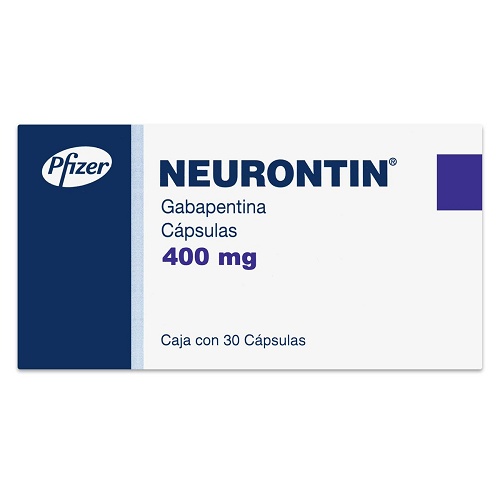
Can I Obtain Neurontin Without a Prescription in Australia?
No, Neurontin (gabapentin) is a prescription-only medication in Australia. It is not legally available without a prescription from a licensed Australian medical practitioner. Buying or using Neurontin without valid medical supervision is unsafe and illegal.
Key Takeaways: Neurontin in Australia
- Neurontin (gabapentin) is approved for neuropathic pain and some seizure disorders in Australia.
- Prescription from an Australian doctor is mandatory for legal access—no over-the-counter supply is permitted.
- Results are usually gradual, with meaningful pain improvement expected over several weeks of regular use.
- Serious side effects and misuse risk require ongoing medical supervision.
- Do not stop Neurontin suddenly; medical guidance is essential for any dosage adjustments.
- Seek urgent medical advice if you experience swelling, rash, or sudden mood changes while using Neurontin.
Contents
- How Does Neurontin Work for Neuropathic Pain?
- Why Patient Expectations Often Differ from Real-World Results
- How Should Neurontin Be Taken in Australia?
- Does Food, Alcohol, or Other Substances Affect Neurontin?
- Who Should Avoid Neurontin? Contraindications & Cautions
- What Side Effects Are Most Common with Neurontin?
- Common Mistakes Patients Make with Neurontin
- How Does Neurontin Compare with Alternatives?
- Neurontin: Key Characteristics at a Glance
- Compatibility: Neurontin & Other Medications
- Step-by-Step: How to Get Neurontin in Australia
- How to Identify Safe Online Pharmacies in Australia
- Detecting Counterfeit Neurontin & Understanding Generics
- Psychological Support for Neuropathic Pain
- How Is Neurontin Processed in the Body? (Pharmacokinetics)
- Special Considerations: Elderly, Liver, and Kidney Conditions
- What Should I Do in Case of Neurontin Overdose?
- Questions Patients Ask Doctors About Neurontin Therapy
- Clinical Assessment by doctor: Who Benefits Most from Neurontin?
- FAQs: Neurontin Use and Access in Australia
- References / Sources
How Does Neurontin Work for Neuropathic Pain?
Neurontin (gabapentin) is an analogue of gamma-aminobutyric acid (GABA), but it does not act directly on GABA receptors. Instead, it binds to the alpha-2-delta subunit of voltage-gated calcium channels in the central nervous system, especially in the dorsal horn of the spinal cord. By inhibiting these calcium channels, Neurontin reduces the release of excitatory neurotransmitters (such as glutamate and substance P) that are involved in the transmission and amplification of pain signals.
This mechanism is particularly effective in neuropathic pain, where damaged nerves send abnormal pain messages. By dampening these signals, Neurontin can reduce pain sensations that are often resistant to standard painkillers like paracetamol or ibuprofen.
Metaphor: If pain signals are like a fire alarm that’s stuck on “high,” Neurontin works by disconnecting some of the wires, so the alarm is less likely to blare without real danger.
No specific triggers or food are required for Neurontin to work; it acts independently once absorbed and distributed in your body.
Why Patient Expectations Often Differ from Real-World Results
Expert Commentary: In my clinical experience, many patients expect rapid pain relief from Neurontin, sometimes within a few days. However, the reality is that improvement is usually gradual, often requiring dose titration over several weeks. Another common misconception is that if pain doesn’t vanish completely, the medication has “failed.” In truth, even partial pain reduction can restore sleep and function, which is a meaningful result. Patients rarely ask about the risk of withdrawal if they suddenly stop treatment—something I wish more people understood. A further challenge is distinguishing side effects from the underlying symptoms of neuropathy itself, which often overlap. Patients should know that close follow-up and honest feedback to their doctor are key; adjustments are sometimes needed before optimal benefit is achieved.
How Should Neurontin Be Taken in Australia?
Dosage is highly individualised and should be tailored by your doctor based on your condition, age, kidney function, and response to therapy.
- Typical starting dose for neuropathic pain: 300 mg once daily, often increased by 300 mg increments every 1-3 days as tolerated.
- Usual maintenance dose: 900–1800 mg per day, divided into two or three doses.
- Maximum daily dose: Do not exceed 3600 mg per day unless specifically instructed by your doctor.
- For elderly patients or those with kidney impairment: Lower starting doses and slower increases are essential due to slower elimination.
- Tablet splitting: Standard Neurontin tablets can be split if scored, but always check with your pharmacist as some generics or capsules must not be split.
Peak effect: Usually reached within 2 to 3 hours after a dose. Consistent pain relief typically develops after 1–2 weeks of regular use.
Duration of action: Neurontin must be taken regularly as prescribed to maintain effect. Skipping doses can cause breakthrough pain or withdrawal symptoms.
Does Food, Alcohol, or Other Substances Affect Neurontin?
- Food: Neurontin can be taken with or without food. A high-fat meal may slightly delay absorption, but does not significantly reduce total effect.
- Alcohol: Combining Neurontin with alcohol is not recommended. Both can cause sedation, dizziness, and impaired coordination, increasing the risk of falls or accidents. Limit or avoid alcohol while taking Neurontin.
- Grapefruit Juice: No significant interaction between Neurontin and grapefruit juice has been reported.
- Other medications: Some antacids (containing aluminium or magnesium) may reduce Neurontin absorption if taken together. Take Neurontin at least 2 hours after an antacid.
| Type of Product | Can it be combined? | Consequences |
|---|---|---|
| Alcohol | Not recommended | Increased drowsiness, risk of falls |
| Antacids (Al/Mg) | With caution | May reduce Neurontin absorption |
| Paracetamol | Yes | No known interaction |
| Opioid painkillers | With caution | Increased sedation, respiratory depression risk |
| Grapefruit juice | Yes | No known interaction |
Who Should Avoid Neurontin? Contraindications & Cautions
- Absolute contraindications (never use):
-
- Known allergy or hypersensitivity to gabapentin or any ingredient in Neurontin.
- Relative contraindications (use only with close medical supervision):
-
- Severe renal (kidney) impairment: Dose adjustment and close monitoring required, as gabapentin is mainly eliminated by the kidneys.
- History of drug or alcohol misuse: Increased risk of dependence and abuse of Neurontin.
- Major depressive disorder or suicidal ideation: Some evidence of increased risk of mood disturbance and suicidality (see TGA warnings).
- Pregnancy and breastfeeding: Use only if benefits clearly outweigh risks; discuss with your doctor.
- Cardiovascular risks:
-
- Peripheral oedema (fluid retention) may be worsened in those with heart failure.
- Recent stroke or respiratory disorders:
-
- Gabapentin may increase risk of breathing suppression, especially when combined with other central nervous system depressants.
Why? Gabapentin is eliminated unchanged by the kidneys. If your kidneys are not working properly, drug levels can build up, increasing side effects and toxicity.
What Side Effects Are Most Common with Neurontin?
- Very common (>1 in 10 users):
-
- Drowsiness, fatigue
- Dizziness, unsteadiness
- Common (1 in 100 to 1 in 10):
-
- Peripheral swelling (oedema, especially in feet and ankles)
- Weight gain
- Tremor
- Blurred vision
- Nausea, vomiting
- Dry mouth
- Difficulty concentrating
- Rare (<1 in 1,000):
-
- Severe allergic reactions (rash, hives, swelling of face/mouth)
- Suicidal thoughts or behaviour
- Severe skin reactions (e.g. Stevens-Johnson syndrome)
- Very rare (<1 in 10,000):
-
- Sudden loss of consciousness
- Severe breathing suppression (especially with opioids or in elderly)
If you experience swelling of the lips, tongue, or throat, skin rash, severe drowsiness, or any sudden change in mood, stop the medication immediately and seek urgent medical care.
Less serious side effects such as drowsiness or mild dizziness may improve with time as your body adjusts. Always discuss any persistent or severe side effects with your doctor.
Frequent Patient Mistakes with Neurontin: What to Watch Out For
- Stopping treatment abruptly: Suddenly ceasing Neurontin can cause withdrawal symptoms (anxiety, insomnia, sweating, seizures), especially after prolonged use. Always consult your doctor before reducing or stopping.
- Taking inconsistent doses: Missing doses or taking Neurontin at irregular times reduces its effectiveness and can worsen symptoms. Set reminders to maintain a steady schedule.
- Doubling up after a missed dose: Taking a double dose to “catch up” increases the risk of side effects and toxicity. If you miss a dose, take it as soon as you remember unless it is nearly time for the next dose (then skip the missed dose).
- Ignoring early side effects: Dismissing drowsiness, confusion, or allergic reactions can be dangerous. Early communication with your healthcare provider allows safe dose adjustment or switching therapies.
- Mixing with sedatives or alcohol without disclosure: Combining Neurontin with alcohol or sedatives increases the risk of overdose and breathing problems. Always inform your doctor about all medications and substances you use.
How Does Neurontin Compare with Other Neuropathic Pain Medications?
For neuropathic pain in Australia, commonly considered alternatives include Pregabalin (Lyrica) and Duloxetine (Cymbalta). Below is a practical comparison:
| Medication | Onset Speed | Duration | Common Side Effects | Estimated Price (AUD, June 2026) | Prescription Required | Unique Features |
|---|---|---|---|---|---|---|
| Neurontin (Gabapentin) | 1–2 weeks | 6–8 hours per dose | Drowsiness, dizziness, swelling | $25–$38 per 100x300mg (generic) | Yes | Flexible dosing, less sedation than pregabalin for some |
| PREGABALIN (Lyrica) | Within days | 12–14 hours | Weight gain, dry mouth, dizziness | $45–$60 per 56x75mg | Yes | Often faster onset, may be preferred if rapid relief needed |
| DULOXETINE (Cymbalta) | 1–2 weeks | 24 hours | Nausea, dry mouth, sexual dysfunction | $30–$48 per 28x60mg | Yes | Also treats depression/anxiety; not suitable for all types of neuropathic pain |
Note: Prices are estimated for private scripts and may differ under the PBS or concession rates. Always consult your pharmacist for current costs.
Neurontin: Key Characteristics at a Glance
| Parameter | Value |
|---|---|
| Active ingredient | Gabapentin |
| Available strengths | 100mg, 300mg, 400mg capsules; 600mg, 800mg tablets |
| Formulations | Capsules, tablets |
| Standard dosing frequency | 2–3 times daily |
| Onset of action | Within 1 week, titration required |
| Half-life (T½) | 5–7 hours in adults with normal kidney function |
| Metabolism | Not metabolised in liver, eliminated unchanged via kidneys |
| Storage | Below 25°C, in original packaging |
| Manufacturer (original) | Pfizer, others (generic available) |
Compatibility: Neurontin & Other Medications
| Medication/Product | Can it be combined? | Potential Consequences |
|---|---|---|
| Antacids (Al/Mg) | With caution | Reduced absorption of Neurontin |
| Opioids | With caution | Increased risk of sedation and respiratory depression |
| Paracetamol | Yes | No known interaction |
| Warfarin | Yes | No significant interaction |
| Alcohol | Not recommended | Increased risk of side effects |
Step-by-Step: How to Get Neurontin in Australia
- Book a consultation with your GP or qualified specialist (neurologist, pain specialist, or other relevant practitioner in Australia).
- Undergo a medical evaluation, including discussion of your pain, medical history, and current medications. Your doctor may request additional tests to confirm neuropathic pain.
- If Neurontin is appropriate, your doctor will issue an electronic or paper prescription in compliance with Australian regulations.
- Take your prescription to a licensed Australian pharmacy (including online pharmacies registered with the Australian Pharmacy Council) for dispensing. Some pharmacies may require a valid Medicare card or ID for dispensing controlled medications.
- For telehealth consultations: Many GPs and pain clinics now offer secure video or phone appointments, after which your script can be sent electronically to your chosen pharmacy.
- Follow your doctor’s instructions for dose titration and ongoing monitoring, including regular reviews for effectiveness and side effects.
Important: Never attempt to import Neurontin privately from overseas; Australian customs may seize medications without proper documentation, and there is a real risk of counterfeit or unsafe products.
How to Identify Safe Online Pharmacies in Australia
- Check for Australian registration: Legitimate pharmacies display an Australian Pharmacy Board number and are listed on the Pharmacy Board of Australia.
- Look for the Australian Government’s “Pharmacy Approval Number” or health department seal.
- Ensure a valid prescription is required: Any site that sells Neurontin without a prescription is not legal and should be avoided.
- Beware of deep discounts and “no prescription needed” offers: These are classic signs of unsafe, potentially counterfeit sellers.
- Secure communication: The website should use HTTPS encryption and provide a physical Australian address and phone contact.
- Consumer protection: Check for Australian privacy, refund, and complaints processes.
- Report suspicious pharmacies: If in doubt, contact the Therapeutic Goods Administration for verification.
Detecting Counterfeit Neurontin & Understanding Generics in Australia
Original Neurontin:
- Supplied in Pfizer-marked packaging with TGA registration number.
- Packing includes a patient leaflet in English, clear batch number, expiry date, and (often) a QR code or hologram for verification.
- Tablets/capsules: Consistent colour, shape, and imprinting (e.g. “PFE” or “Neurontin” on the tablet/capsule).
If your packaging is missing a leaflet, has poor print quality, or the price is “too good to be true,” it may be counterfeit.
Understanding generics: In Australia, generic gabapentin contains the same active ingredient as Neurontin. While inactive ingredients (excipients) may differ slightly, generics must meet the same TGA quality standards as the original. Most patients experience identical effects, though in rare cases, sensitivity to a filler or dye can occur. Generics offer a significant cost saving and are recommended when prescribed by your doctor.
Myth vs Reality: Myth: Only branded Neurontin works. Reality: TGA-approved generics are equally effective and safe for most patients.
Psychological Support for Neuropathic Pain Sufferers
Living with chronic pain is challenging, and many Australians experience feelings of frustration or anxiety related to their symptoms. It’s important to know that you are not alone—neuropathic pain is common and manageable with the right support. Consider speaking openly with your doctor, pharmacist, or a mental health professional; sometimes, counselling or support groups can make a real difference alongside medication.
How Is Neurontin Processed in the Body? (Pharmacokinetics Explained)
- Absorption: Well absorbed after oral administration; bioavailability decreases at higher doses (about 60% at 300mg, 33% at 1600mg dose).
- Distribution: Does not bind to plasma proteins, distributed in body fluids and tissues.
- Metabolism: Gabapentin is not metabolised by the liver; minimal risk of drug interactions through liver enzymes.
- Elimination: Excreted unchanged in urine via the kidneys—impaired kidney function can cause accumulation.
- Half-life (T½): Around 5–7 hours in healthy adults; much longer in those with significant renal (kidney) impairment.
Implication: Dose adjustment is necessary in patients with reduced kidney function to avoid toxicity.
Special Considerations: Elderly, Liver, and Kidney Conditions, Driving, and Fertility
- Elderly: Drowsiness and dizziness are more pronounced; risk of falls is higher. Lower starting doses and slow increases are advised.
- Kidney impairment: Dose must be reduced; check kidney function regularly if on long-term therapy.
- Liver impairment: No major adjustment needed, as Neurontin is not metabolised by the liver.
- Driving/operating machinery: Neurontin may impair reaction time, coordination, and concentration, especially when starting or increasing the dose. Do not drive or operate heavy machinery until you know how Neurontin affects you.
- Fertility and family planning: No evidence of reduced fertility in humans, but animal studies suggest high doses may affect reproductive organs. Discuss with your doctor if planning pregnancy.
What Should I Do in Case of Neurontin Overdose?
- Stop taking Neurontin immediately.
- Call Triple Zero (000) for emergency assistance in Australia.
- Tell the medical team exactly how much was taken and when.
- Do not attempt to induce vomiting unless instructed by a medical professional.
- Monitor for symptoms: severe drowsiness, confusion, weakness, difficulty breathing, or loss of consciousness.
- Bring the medication packaging with you to hospital, if possible.
Questions Patients Commonly Ask Doctors About Neurontin Therapy
- How long will it take before I feel any benefit from Neurontin?
- Most people notice improvement in neuropathic pain after 1–2 weeks, but some require up to 4 weeks for optimal effect as the dose is gradually increased. It’s unlikely to provide immediate relief.
- If Neurontin doesn’t work for me, what happens next?
- If there is no meaningful improvement after a reasonable trial, we will discuss alternative medications or combination strategies. It’s important to follow the full titration schedule unless side effects make this impossible.
- Should I worry about addiction or dependence on Neurontin?
- While Neurontin is not classically addictive, dependence can develop after prolonged use, especially in those with a history of substance misuse. We monitor closely for warning signs.
- What kind of monitoring or follow-up is needed while on Neurontin?
- Regular check-ins help track your response, monitor for side effects, and adjust dosing. Kidney function testing may be advised for long-term use.
- Can I take over-the-counter painkillers or supplements with Neurontin?
- Most simple painkillers (such as paracetamol) are safe to combine, but always let your doctor know about any supplements or new medicines to avoid unexpected interactions.
- Will Neurontin affect my mood or mental health?
- Rarely, Neurontin can cause mood changes or increase risk of depression. If you notice any mood changes, inform your doctor promptly.
- Is it safe to become pregnant or breastfeed while taking Neurontin?
- There is limited safety data for use in pregnancy and breastfeeding. We discuss risks and benefits individually—never stop or start medication without a review.
Clinical Assessment by doctor: Who Benefits Most from Neurontin?
As a specialist in neuropathic pain management, I find that Neurontin is most effective for patients with well-established neuropathic pain syndromes—such as post-herpetic neuralgia, diabetic neuropathy, or nerve injury pain—who have not responded adequately to conventional analgesics. It is particularly valuable when pain is disrupting sleep or daily function, and where gradual titration is feasible. Patients with stable kidney function, no history of substance misuse, and those able to attend for regular follow-up are ideal candidates. However, it may be less suitable for those with significant renal impairment, a history of serious mood disorders, or individuals at high risk of medication misuse. In such situations, I may recommend alternative therapies or additional psychological support. Ultimately, the decision to use Neurontin is based on a careful balance of potential benefits, side effect tolerability, and patient-specific risk factors. Reassessment is crucial if goals are not met within several weeks.
FAQs: Neurontin Use and Access in Australia
- Is Neurontin subsidised by the PBS (Pharmaceutical Benefits Scheme)?
- Yes, gabapentin (Neurontin and generics) is subsidised for certain indications, such as neuropathic pain refractory to other treatments, subject to PBS criteria. Check with your doctor for eligibility.
- Can I get Neurontin delivered to my home in Australia?
- Yes, if you have a valid prescription, most Australian pharmacies (including some online) can arrange home delivery. Ensure the pharmacy is registered in Australia.
- What should I do if I miss a dose?
- Take the missed dose as soon as you remember, unless it’s almost time for your next dose. Never double up doses. Consult your doctor if unsure.
- Can I drive while taking Neurontin?
- Not initially. Neurontin can cause drowsiness and dizziness; avoid driving or operating machinery until you know how it affects you.
- How long does Neurontin treatment usually last?
- Duration varies. Some people require several months, others long-term. Your doctor will periodically reassess the need for ongoing treatment.
- Is there a risk of addiction with Neurontin?
- The risk of classical addiction is low, but dependence can occur with long-term use. Do not stop suddenly and consult your doctor before any changes.
- Can I take Neurontin with other pain medications?
- Yes, but always inform your doctor about all other medications to avoid interactions.
- Are there any foods or drinks I should avoid?
- No major food restrictions, but limit or avoid alcohol due to increased risk of sedation.
- How can I tell if Neurontin is working?
- Gradual reduction in pain intensity, improved sleep, and increased daily function are signs of effectiveness. Full benefit may take several weeks.
References / Sources
- Therapeutic Goods Administration (TGA), Australia. https://www.tga.gov.au/
- PubMed: Alpha2delta ligands in neuropathic pain (2024). https://pubmed.ncbi.nlm.nih.gov/37654271/
- European Medicines Agency (EMA). https://www.ema.europa.eu/
- Australian Medicines Handbook (AMH), 2026. https://amhonline.amh.net.au/
- Mayo Clinic: Gabapentin (Oral Route). https://www.mayoclinic.org/
- National Institute for Health and Care Excellence (NICE), UK. https://www.nice.org.uk/
- Pharmacy Board of Australia. https://www.pharmacyboard.gov.au/
- NHS: Gabapentin for nerve pain. https://www.nhs.uk/medicines/gabapentin/