
- Home/
- Buy Furosemide in Online Pharmacy Australia – Fast and Secure Purchase
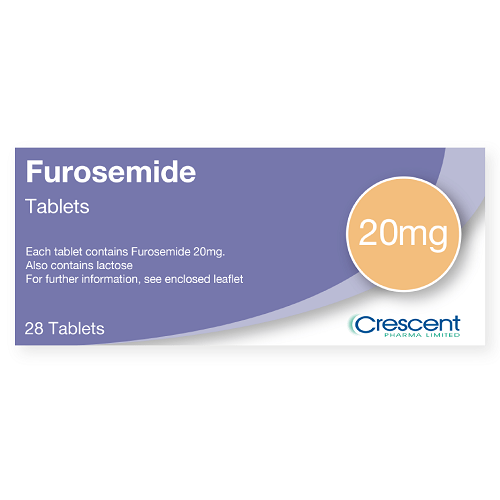
Can Furosemide Be Obtained Without a Prescription in Australia?
Furosemide is a prescription-only medication in Australia. It is not legally available without a valid prescription from a registered medical practitioner. Attempting to access furosemide without a prescription is unsafe, illegal, and not supported by Australian pharmacy or telehealth regulations.
Key Takeaways: Furosemide for Edema Treatment in Australia
- Furosemide is for adults and children with fluid overload (oedema) due to heart, liver, or kidney disease.
- Results are often noticeable within 1 hour of oral dosing, but full effect may take several hours.
- Prescription is mandatory in Australia. Over-the-counter or unregulated sources are unsafe and illegal.
- Major safety concern: Furosemide may cause dehydration, electrolyte imbalance, or kidney impairment if not used as directed.
- Seek immediate medical advice if you experience confusion, palpitations, muscle weakness, severe thirst, or very low urine output.
- Discuss with your doctor if you have liver or kidney disease, hearing loss, or take other medications.
What Is Furosemide and Who Might Benefit Most?
Furosemide is a potent loop diuretic (“water tablet”) commonly prescribed in Australia to manage fluid accumulation (oedema) associated with heart failure, chronic kidney disease, liver cirrhosis, and sometimes resistant hypertension. It works by increasing the amount of salt and water the kidneys remove from the blood, thereby reducing fluid overload and associated symptoms such as swelling of the legs and breathlessness.
People most likely to benefit include those with:
- Congestive heart failure with fluid retention
- Chronic kidney disease with oedema
- Liver cirrhosis causing ascites (fluid in the abdomen)
- Refractory hypertension (in select cases, under specialist care)
However, safety and effectiveness depend on close monitoring and expert guidance. Furosemide is not a cure for the underlying disease—it manages symptoms and reduces complications from fluid overload.
How Does Furosemide Work? (Pharmacology and Mechanism of Action Explained)
Furosemide acts as a loop diuretic, targeting the thick ascending limb of the loop of Henle in the nephron (the kidney’s basic working unit). Specifically, it inhibits the Na+-K+-2Cl− symporter, a protein responsible for reabsorbing sodium, potassium, and chloride ions from urine back into the bloodstream (PubMed).
By blocking this transporter, furosemide causes a rapid increase in the excretion of sodium, chloride, and water through urine (natriuresis and diuresis). The result is a decrease in blood volume and tissue fluid, which eases swelling and reduces strain on the heart and blood vessels.
Metaphor: Imagine your kidneys as a sponge with a tight wringer. Furosemide “twists” the wringer, squeezing out extra water and salt through urine, helping reduce swelling and congestion.
Furosemide works independently of most hormonal triggers, but its effectiveness depends on adequate blood flow to the kidneys and functional nephrons. In severe kidney failure, its effect may be diminished.
Myth: Furosemide always provides instant relief for swelling.
Reality: While it acts rapidly, its full effect depends on kidney function, underlying disease, and adherence to medical advice.
When Expectations and Reality Differ: Insights from Clinical Practice
Understanding Patient Expectations with Furosemide
In my clinical experience, patients often expect furosemide to eliminate all swelling immediately, not realising that results may take time and sometimes require dose adjustments. Some believe more urine output always means better results, overlooking risks of dehydration or electrolyte imbalance. It’s common for patients to miss the connection between symptoms like muscle weakness or confusion and their medication—prompting delayed medical attention. Many also underestimate the importance of regular blood tests and weigh-ins, which are crucial for safe dosing. I encourage patients to ask how to track effectiveness safely and what symptoms to report early, as individual responses can vary significantly.
What Is the Standard Dosage of Furosemide and How Should It Be Taken?
Typical starting dose for adults: 20–40 mg once daily, taken in the morning.
Maximum daily dose: Usually does not exceed 600 mg, but such high doses are rare and only used under strict specialist supervision.
Pediatric dosing: Based on weight and clinical indication, always individually determined by a paediatrician.
Peak effect: Usually within 1–2 hours after oral administration; duration of action is 6–8 hours.
- For heart failure or oedema, dosing may be adjusted up or down gradually, according to response and kidney function.
- In elderly or those with impaired kidney/liver function, lower starting doses and slower titration are advised.
- Furosemide tablets may be split if scored, but not all formulations are designed for splitting—check with your pharmacist.
- Always follow your doctor’s instructions regarding timing, dose, and monitoring (including regular blood tests for electrolytes).
Never exceed the prescribed dose, as overdose can be life-threatening.
How Should Furosemide Be Taken in Relation to Food, Drink, and Lifestyle?
Furosemide can be taken with or without food. Absorption may be slightly reduced if taken with a large meal, but this is rarely clinically significant. If gastrointestinal upset occurs, taking it with a light snack is reasonable.
- Fatty meals: May slightly delay absorption, but do not usually reduce effectiveness.
- Grapefruit juice: Unlike some other medications, no significant interaction is known.
- Alcohol: Combining furosemide with alcohol is discouraged. Alcohol can increase the risk of dehydration, dizziness, and low blood pressure. It is safest to avoid alcohol entirely while taking furosemide.
- Caffeine: May have additive diuretic effects, increasing the risk of dehydration.
Furosemide Compatibility with Other Medications and Products
| Type of Product | Can Be Combined? | Possible Consequences |
|---|---|---|
| ACE inhibitors (e.g., ramipril) | With caution | May cause excessive drop in blood pressure |
| NSAIDs (e.g., ibuprofen) | With caution | May reduce furosemide effectiveness; risk of kidney damage |
| Potassium supplements | As prescribed only | May be necessary to prevent low potassium |
| Alcohol | No | Increases dehydration and low blood pressure risk |
| Lithium | No | Risk of lithium toxicity |
| Digoxin | With caution | Low potassium increases toxicity risk |
Who Should Not Take Furosemide? (Absolute and Relative Contraindications)
Absolute Contraindications:
- Allergy to furosemide or sulfa-derived medications
- Anuria (no urine output despite adequate fluid intake)
- Severe hypokalaemia (very low blood potassium not correctable before starting)
- Severe hyponatraemia (very low sodium not correctable before starting)
- Hepatic coma (liver-induced coma)
Relative Contraindications (Use with Caution):
- Severe kidney or liver impairment (unless specialist supervised)
- Low blood pressure (hypotension)
- Gout (may worsen uric acid levels)
- Pregnancy and breastfeeding—only if benefits outweigh risks and under specialist supervision
- Patients taking aminoglycoside antibiotics (e.g., gentamicin), due to risk of hearing damage
After a heart attack or acute illness: Furosemide is only initiated under strict hospital supervision, with careful monitoring.
Never self-initiate or continue furosemide without professional review if you have unexplained confusion, severe vomiting/diarrhoea, or sudden hearing changes.
What Side Effects Are Most Common with Furosemide?
- Very common (>1 in 10): Frequent urination, dehydration, low potassium (hypokalaemia), low sodium (hyponatraemia), dizziness, low blood pressure
- Common (1 in 100 – 1 in 10): Muscle cramps, elevated blood sugar, increased uric acid (risk of gout), headache, hearing disturbances (especially with high doses or rapid IV use)
- Rare (1 in 1,000 – 1 in 100): Allergic skin reactions, ringing in the ears (tinnitus), blurred vision, pancreatitis
- Very rare (<1 in 10,000): Severe allergic reactions, life-threatening electrolyte imbalance, acute kidney injury, severe hearing loss, blood disorders (e.g., agranulocytosis)
Why do these occur? Furosemide increases loss of electrolytes (potassium, sodium, magnesium), which can disrupt nerve and muscle function, blood pressure, and kidney function.
What to do if side effects occur: Stop the medication and contact your doctor or emergency services immediately if you experience severe dizziness, confusion, palpitations, muscle weakness, hearing loss, or very low urine output. Mild symptoms (like increased urination) are expected but should be reported if excessive.
Common Mistakes People Make When Using Furosemide—and How to Avoid Them
- Taking Furosemide Late in the Day: This often leads to nighttime urination, disrupting sleep. To avoid, take it in the morning unless otherwise instructed.
- Stopping Suddenly Without Medical Advice: Abrupt withdrawal can result in fluid retention rebounding, especially in heart failure. Always consult your doctor before changing or stopping the medication.
- Not Monitoring Weight or Fluid Intake: Daily weight checks are vital for tracking effectiveness and detecting fluid retention early. Failing to do so may delay intervention if oedema recurs.
- Ignoring Blood Tests: Skipping recommended blood tests (for electrolytes, kidney function) increases the risk of serious complications. Attend all scheduled pathology appointments.
- Doubling Up on Doses After Missing One: Taking extra doses can lead to dangerous dehydration or electrolyte imbalance. If you miss a dose, take it as soon as you remember, unless it’s nearly time for your next dose.
- Not Reporting New Medicines or Supplements: Many drugs interact with furosemide (e.g., NSAIDs, digoxin, lithium). Always inform your doctor and pharmacist of any new medications or supplements.
- Assuming All Swelling Will Respond to Furosemide: Not all oedema is due to fluid overload—sometimes other causes are involved. If you are not seeing improvement, consult your doctor.
How Does Furosemide Compare to Other Diuretics in Australia?
| Medication | Onset of Action | Duration | Side Effects | Approximate Price/Tablet (AUD) | Available Strengths |
|---|---|---|---|---|---|
| Furosemide | 30–60 min (oral) | 6–8 hrs | Electrolyte loss, dehydration, hearing disturbances | $0.15–$0.35 | 20 mg, 40 mg, 500 mg |
| Bumetanide | 30–60 min (oral) | 4–6 hrs | Similar to furosemide; slightly higher potency per mg | $0.80–$1.20 | 1 mg |
| Hydrochlorothiazide | 2 hrs (oral) | 12–18 hrs | Milder electrolyte loss, less potent diuretic | $0.05–$0.20 | 12.5 mg, 25 mg |
| Spironolactone | 2–4 hrs (oral) | 12–72 hrs | High potassium, hormonal effects (gynaecomastia) | $0.25–$0.70 | 25 mg, 100 mg |
Technical Information: Furosemide Reference Table
| Active Ingredient | Furosemide |
| Formulations in Australia | Tablets (20 mg, 40 mg, 500 mg), Oral solution (10 mg/mL), Injection |
| Usual Dosage Range (Adults) | 20–80 mg daily (individualised) |
| Half-life (T1/2) | ~1–2 hours (can be longer in kidney impairment) |
| Metabolism | Liver (minimal), mainly excreted unchanged in urine |
| Storage | Store below 25°C; protect from moisture |
| Prescription Status (AU) | Prescription only (Schedule 4) |
Step-by-Step: How to Obtain Furosemide Legally in Australia
- Step 1: See a Doctor — Book an appointment with your GP or specialist (e.g., cardiologist, nephrologist) to assess your symptoms and determine if furosemide is appropriate.
- Step 2: Medical Assessment — Your doctor will review your history, medications, perform a physical exam, and may order blood/urine tests to confirm the diagnosis and monitor safety.
- Step 3: Prescription Issued — If indicated, your doctor will write a legal prescription, specifying dose, frequency, and monitoring requirements.
- Step 4: Pharmacy Fulfilment — Take the prescription to a registered pharmacy in your city (e.g., Sydney, Melbourne, Brisbane, Perth, Adelaide, Hobart, Darwin, Canberra), or use a legitimate online pharmacy that is registered with the Pharmacy Board of Australia.
- Step 5: Ongoing Monitoring — Your doctor will schedule follow-ups to monitor your response, blood tests, side effects, and adjust treatment as needed. Some clinics offer telehealth reviews for routine check-ins.
Questions Patients Often Ask doctor About Furosemide Treatment
- How will I know if Furosemide is working for my swelling?
- You should notice reduced swelling in your legs or abdomen, improved breathing (if fluid was affecting your lungs), and modest weight loss over several days. Regular daily weight checks are the best way to monitor progress—most patients are advised to keep a log and report sudden changes.
- What should I do if I feel dizzy or lightheaded after starting Furosemide?
- Dizziness can result from dehydration or low blood pressure. Sit or lie down immediately, and report these symptoms to your doctor. Never drive or operate machinery if you feel faint.
- Is it normal to urinate more often, and will this continue long-term?
- Yes, increased urination is expected in the first hours after taking furosemide. Over time, if excess fluid is removed and your dose is stable, this effect may lessen. However, if you continue to lose fluids excessively, your doctor may adjust your dose.
- Do I need to restrict salt or fluid intake while on Furosemide?
- Your doctor may advise you to limit salt or fluid intake to maximise effectiveness, especially in heart failure or kidney disease. Always follow your doctor’s instructions, as requirements vary depending on your condition.
- How often will I need blood tests on Furosemide?
- Initially, blood tests (for electrolytes and kidney function) are usually checked within 1–2 weeks of starting therapy and periodically thereafter. Frequency depends on your health status and any dose changes.
- Can I travel or fly while taking Furosemide?
- Generally, yes, but plan ahead for increased urination and carry your medication with clear labelling. Discuss travel plans with your doctor, especially for long-haul flights or remote destinations, to ensure safe monitoring.
- Will Furosemide interact with my other medications?
- Furosemide has many potential interactions, including blood pressure medications, lithium, digoxin, and NSAIDs. Always provide your doctor and pharmacist with a complete medication list before starting furosemide, and alert them to any new prescriptions.
Pharmacokinetics: How Is Furosemide Processed and Eliminated?
After oral administration, furosemide is absorbed in the gut, reaching peak blood levels in about 1–2 hours. Its bioavailability is variable (typically 50–60%). Furosemide is minimally metabolised by the liver and is primarily excreted unchanged by the kidneys. Its elimination half-life in healthy adults is around 1–2 hours but can be significantly prolonged in those with kidney impairment.
Because of its renal excretion, furosemide may be less effective in severe kidney disease. Close monitoring is essential for those with impaired renal function to avoid toxicity.
Are There Special Considerations for Specific Patient Groups?
- Elderly: Lower doses and slower titration are generally recommended, as older adults are more susceptible to dehydration, falls, and electrolyte disturbances.
- Children: Dosages are carefully calculated by weight and monitored closely by paediatricians.
- Pregnancy/Breastfeeding: Furosemide is not routinely used and should only be prescribed if benefits clearly outweigh risks, under specialist advice.
- Chronic Kidney/Liver Disease: Dose adjustments and more frequent monitoring are required.
- Diabetic Patients: Furosemide can increase blood sugar levels—diabetes control may need adjustment.
- Ability to Drive/Operate Machinery: Dizziness or confusion are possible, especially at treatment initiation or dose changes. Avoid driving or operating machinery if affected.
- Fertility and Family Planning: No direct effects on fertility are reported, but fluid/electrolyte imbalances may indirectly impact reproductive health. Discuss plans with your doctor.
Original vs Generic Furosemide in Australia: What’s the Difference?
Furosemide is available both as original branded (e.g., Lasix) and generic products. Generics contain the same active ingredient and must comply with strict Australian Therapeutic Goods Administration (TGA) standards for quality, safety, and effectiveness. Differences may exist in excipients (inactive ingredients), tablet size, or colour—but not in the therapeutic effect. Rarely, people with allergies to certain fillers may react to a generic.
- Generics are significantly cheaper and are preferred by most public and private health insurance schemes.
- If you experience a different appearance or taste, it is usually due to the excipients and not reduced efficacy. If you suspect an allergic reaction, inform your pharmacist or doctor immediately.
Both original and generic furosemide must be supplied in sealed packaging with TGA approval markings.
How to Identify Counterfeit or Substandard Furosemide Products
- Check packaging: Authentic products have clear batch numbers, expiry dates, ARTG (Australian Register of Therapeutic Goods) number, and tamper-evident seals.
- Appearance: Tablets are usually white, may have a scored line, and are supplied in blister packs or sealed bottles. Colour, size, and markings should match those described by the manufacturer or your pharmacist.
- Unusually low prices or offers from overseas websites are common red flags for counterfeit or non-equivalent medicines.
- QR codes or holograms: Some brands include these for added security. You may check with your pharmacist if in doubt.
- If unsure about your medicine’s authenticity: Consult your pharmacist. Never use a product with damaged packaging, misspelt labels, or an appearance that differs from your previous supply.
Myth vs Reality: “All generics are unsafe or inferior.”
Reality: In Australia, generics are subject to the same regulation and quality control as brand-name medicines.
Country-Specific Guide: Safe Use of Online Pharmacies in Australia
When using an online pharmacy, always confirm it is registered with the Australian Pharmacy Board and operates under the Pharmacy Guild of Australia’s Code of Practice (Pharmacy Board of Australia). Legitimate Australian online pharmacies will:
- Require a valid Australian prescription before dispensing furosemide
- Display their AHPRA (Australian Health Practitioner Regulation Agency) registration number
- Have a physical address and phone number in Australia
- Never offer prescription medicines without appropriate documentation or at ‘bargain’ prices
Warning signs of unsafe sellers: No prescription required; prices far below market average; poor-quality website with unclear contact details; overseas dispatch; lack of ARTG or TGA codes; or unsolicited emails offering medicines.
Purchasing from unregulated sources puts you at serious risk of counterfeit, contaminated, or expired medicines that may be ineffective or dangerous. Use only pharmacies listed on official registers.
What Should I Do If I Suspect Furosemide Overdose?
- Stop taking the medication immediately.
- Call 000 for emergency services in Australia. Provide clear details about the amount taken and time of ingestion.
- Do not attempt to self-treat (e.g., by drinking excessive water) unless instructed by emergency personnel.
- Bring the medication packaging and any remaining tablets to the hospital for accurate identification.
- Monitor for severe symptoms: Extreme weakness, confusion, irregular heartbeat, or fainting require urgent care.
Prompt medical attention increases the chances of a full recovery and reduces the risk of life-threatening complications.
Quality Check: How Should Genuine Furosemide Look?
- Tablets are typically white or off-white, sometimes scored, and marked with dosage or manufacturer code.
- Packs include batch number, expiry date, and ARTG number.
- Packaging is sealed, with clear instructions and the manufacturer’s contact details.
- Some brands include QR codes or holograms as anti-counterfeiting measures.
- Consult your pharmacist if you notice changes in appearance, smell, or packaging compared to previous supplies.
Psychological Support: Oedema and Medication—You Are Not Alone
Living with chronic swelling or heart/kidney problems can be stressful, but these are manageable conditions. Many Australians face similar issues. Don’t hesitate to discuss your concerns or feelings with your doctor, a counsellor, or support group. Open communication helps improve both physical and emotional wellbeing.
What Should I Do If Furosemide Does Not Work or Stops Working?
- Contact your doctor—do not increase the dose on your own.
- There may be underlying factors such as worsening heart or kidney function, dietary changes, new medications, or disease progression.
- Your doctor may order additional tests and consider alternative therapies (e.g., different diuretic, combination therapy, or further specialist input).
Never double doses or add over-the-counter “water tablets” without medical guidance. Prompt review ensures safe and effective management.
Professional Clinical Assessment: Which Patients Benefit Most—and When to Consider Alternatives
doctor’s Clinical Assessment of Furosemide Use
In my practice, furosemide is most beneficial for patients experiencing clinically significant oedema due to heart failure, chronic kidney disease, or liver cirrhosis, particularly when rapid fluid reduction is needed to relieve symptoms or prevent complications. It is especially important in patients who have not responded to milder diuretics or who require hospital-level management. However, furosemide is less ideal for individuals prone to dehydration, hypotension, or those with advanced kidney failure unless closely supervised. In cases of isolated mild hypertension or peripheral oedema without organ dysfunction, other therapies may be better suited. Key benefit-risk considerations include the patient’s ability to adhere to monitoring, comorbidities (especially diabetes or gout), and potential for drug interactions. Regular assessment and flexibility in dosing are crucial, as patient needs change over time. When furosemide fails to achieve therapeutic goals or causes unacceptable side effects, referral for specialist evaluation and exploration of alternative diuretic strategies is warranted.
Frequently Asked Questions About Furosemide in Australia
- Is Furosemide available without prescription in Australia?
- No, Furosemide is classified as a Schedule 4 (prescription-only) medicine in Australia. You must have a valid prescription from a registered doctor.
- How quickly does Furosemide start working?
- Most people notice increased urination within 30–60 minutes after taking an oral dose. The full effect on swelling or breathlessness may take several hours to a few days, depending on your underlying condition.
- What are the most important side effects to watch for?
- Watch for signs of dehydration (very dry mouth, dizziness, extreme thirst), muscle cramps, confusion, palpitations, or hearing changes. Contact your doctor or seek emergency help if any of these occur.
- Can I buy Furosemide online in Australia?
- Yes, but only from licensed Australian online pharmacies that require a valid prescription and are registered with the Pharmacy Board of Australia. Avoid overseas or unregulated websites.
- Is there a generic version of Furosemide, and is it safe?
- Yes, generic furosemide is widely available and subject to strict quality controls in Australia. It is considered as safe and effective as branded versions.
- How much does Furosemide cost?
- Prices vary by brand and pharmacy, but generic furosemide typically costs $0.15–$0.35 per 40 mg tablet. It is covered by the PBS for approved indications, reducing out-of-pocket costs for eligible patients.
- What should I do if I miss a dose of Furosemide?
- Take the missed dose as soon as you remember, unless it is nearly time for your next dose. Do not double the dose. Contact your doctor if you are unsure.
- Can Furosemide interact with my other medications?
- Yes, particularly with blood pressure medicines, lithium, digoxin, and NSAIDs. Always inform your doctor and pharmacist about all medicines and supplements you take.
- How long do I need to take Furosemide?
- This depends on your underlying condition. Some people require it short-term after hospitalisation; others may need long-term therapy. Your doctor will review this regularly.
- What happens if I take too much Furosemide?
- Overdose can cause life-threatening dehydration, kidney injury, or electrolyte imbalance. Stop the medication, call 000, and seek immediate medical help in Australia.
References
-
Australian Medicines Handbook. Furosemide (2026). Accessed June 2026.
https://amhonline.amh.net.au/ -
Therapeutic Goods Administration (TGA). Furosemide product information. Accessed June 2026.
https://www.tga.gov.au/ -
PubMed. Loop diuretics in heart failure: recent advances and clinical practice (2024). Accessed June 2026.
https://pubmed.ncbi.nlm.nih.gov/ -
National Heart Foundation of Australia. Heart failure management guidelines. Accessed June 2026.
https://www.heartfoundation.org.au/ -
Pharmacy Board of Australia. Guidelines for online pharmacy services. Accessed June 2026.
https://www.pharmacyboard.gov.au/ -
Mayo Clinic. Furosemide (oral route) description and brand names. Accessed June 2026.
https://www.mayoclinic.org/